E20 Petrol Revolution: India’s Bold Move to Cut Oil Imports Sparks Big Debate
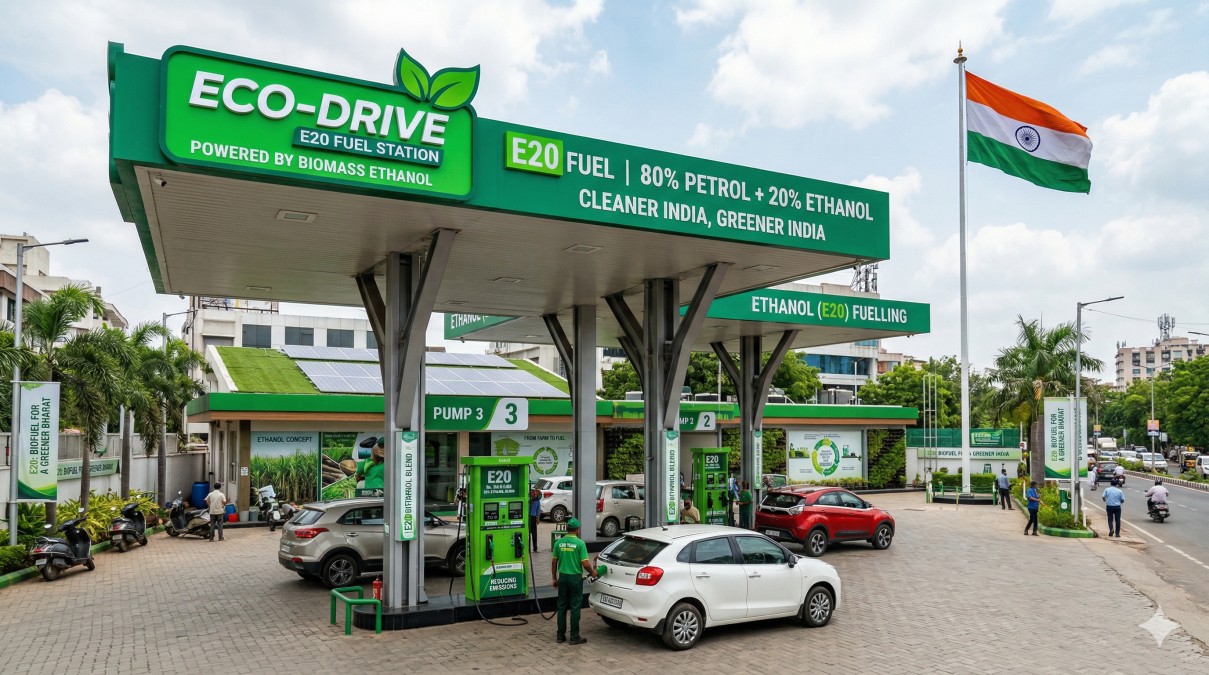
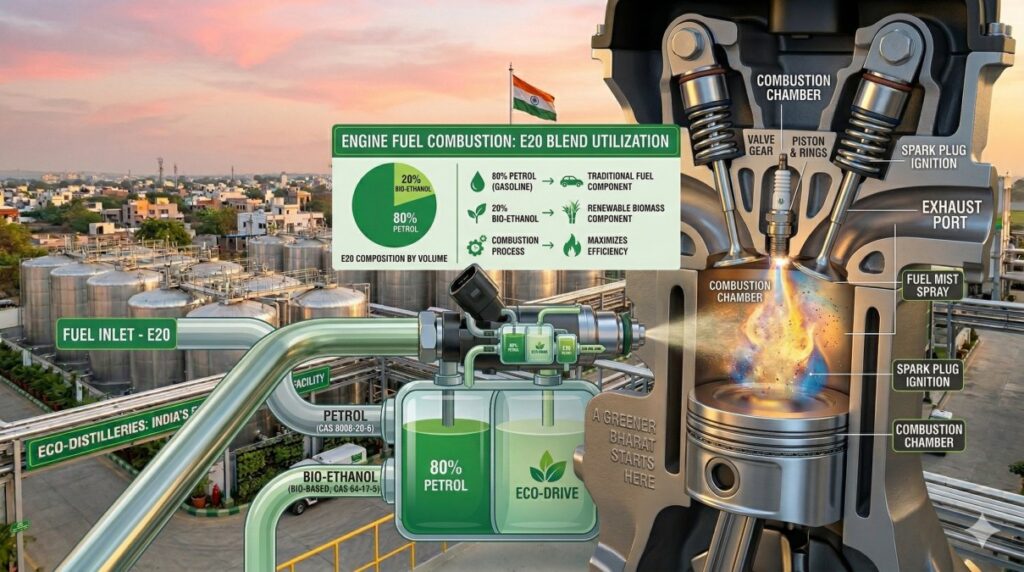
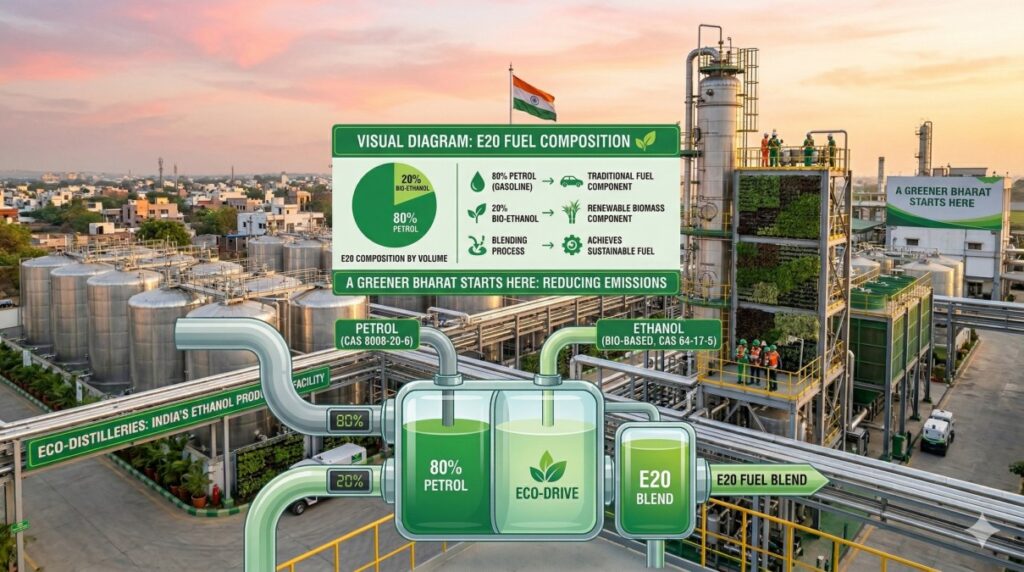
E20 Petrol Shock: India’s aggressive push towards ethanol-blended fuel has entered a decisive phase, with E20 petrol—containing 20% ethanol and 80% petrol—now widely available across the country. The government has positioned this shift as a game-changing reform aimed at reducing oil dependency, lowering emissions, and supporting farmers. However, as adoption rises, so do questions around vehicle compatibility, mileage, and long-term sustainability.
Ethanol Blending: From 1% to 20% in a Decade
In a major statement, Prime Minister Narendra Modi highlighted how India has dramatically increased its ethanol blending capacity from just 1% a decade ago to nearly 20% today . This transformation has played a crucial role in reducing crude oil imports.
According to official data, India saved approximately 4.5 crore barrels of oil imports in just one year due to ethanol blending
Ethanol Growth in India
| Year | Ethanol Blending % | Impact |
|---|---|---|
| 2014 | 1% | Minimal impact on imports |
| 2020 | 8-10% | Moderate reduction in oil dependency |
| 2025 | 20% | 4.5 crore barrels saved annually |
Table of Contents
Why E20 Petrol Matters in 2026
The timing of India’s ethanol push is critical. With geopolitical tensions in West Asia affecting global oil prices, reducing dependence on imports has become a strategic necessity.
India relies heavily on crude oil imports from the Gulf region. The ongoing conflict in the region has highlighted the risks of such dependency. In this context, ethanol blending acts as a buffer against global fuel shocks.
Key Benefits of E20 Fuel
1. Reduced Oil Imports
India has already saved millions of barrels of crude oil annually.
2. Environmental Impact
E20 fuel reduces carbon emissions by up to 30% compared to E10 fuel.
3. Farmer Income Boost
Ethanol production uses sugarcane, providing stable income to farmers.
4. Energy Security
Less dependence on volatile global oil markets.
Benefits of E20 Petrol
| Benefit | Description |
|---|---|
| Oil Savings | 4.5 crore barrels reduced imports |
| Lower Emissions | Up to 30% reduction |
| Farmer Support | Boost to sugarcane farmers |
| Energy Security | Reduced foreign dependency |
The Controversy: Mileage & Engine Concerns
Despite its advantages, E20 petrol has triggered widespread debate.
Many vehicle owners have reported:
- 6–8% drop in mileage
- Engine knocking issues
- Wear and tear in older vehicles
Older vehicles, especially those manufactured before April 2023, are not fully compatible with E20 fuel. Reports suggest possible corrosion and damage to rubber and plastic components
Vehicle Compatibility Explained
E20 Compatibility
| Vehicle Type | E20 Compatibility | Risk Level |
|---|---|---|
| Pre-2023 Vehicles | Not fully compatible | High |
| Post-2023 Vehicles | Fully compatible | Low |
| Modified Vehicles | Partially compatible | Medium |
What’s Next: E30 and Flex-Fuel Vehicles?
India’s ethanol journey may not stop at E20. Industry bodies have proposed increasing blending levels to 30% (E30).
Additionally, there is growing demand for:
- Flex-fuel vehicles (100% ethanol capable)
- Ethanol-based cooking solutions
- Ethanol blending in diesel
Brazil serves as a global model in this space, where flex-fuel vehicles are already mainstream.
India’s Ethanol Production Capacity
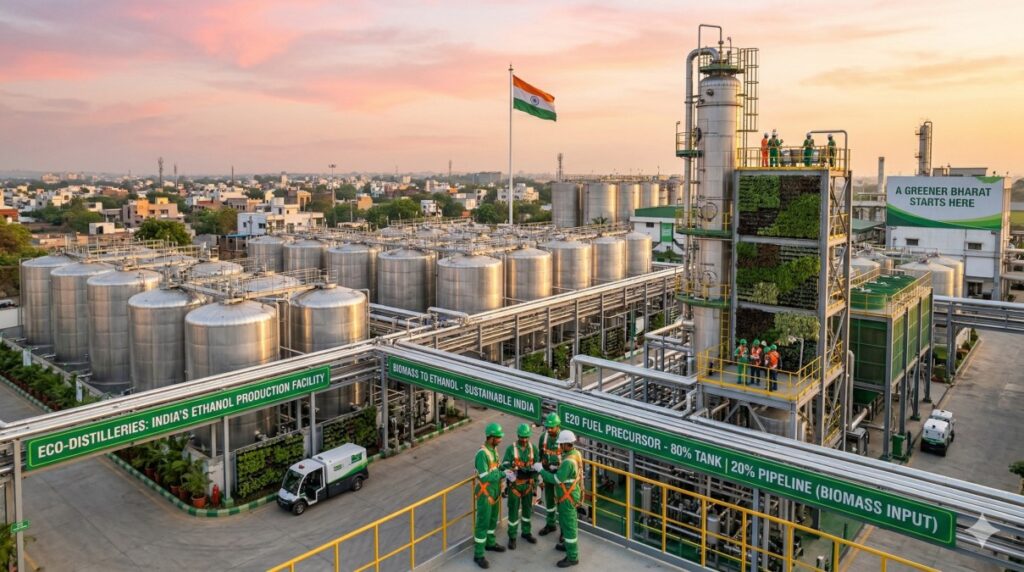
India’s ethanol ecosystem has expanded rapidly:
- 2,000 crore litres production capacity
- 380+ operational distilleries
- 33 more in pipeline
Ethanol Industry Scale
| Parameter | Data |
|---|---|
| Total Capacity | 2000 crore litres |
| Operational Distilleries | 380+ |
| Upcoming Projects | 33 |
India’s E20 petrol policy is undoubtedly a bold and transformative step toward energy independence. It aligns with global sustainability goals and strengthens the domestic agricultural economy.
However, the transition is not without challenges. The concerns around mileage, compatibility, and consumer cost cannot be ignored.
The success of E20—and future upgrades like E30—will depend on:
- Faster adoption of compatible vehicles
- Transparent pricing mechanisms
- Continued public awareness
E20 petrol represents more than just a fuel change—it’s a strategic shift in India’s energy policy. While it offers clear economic and environmental benefits, its long-term success will depend on how effectively the government addresses consumer concerns and infrastructure challenges.
India is on the brink of a fuel revolution—but whether it becomes a smooth transition or a contentious shift remains to be seen.
FAQ
Q1. What is E20 petrol?
E20 petrol is a blend of 20% ethanol and 80% petrol.
Q2. Does E20 reduce mileage?
Yes, reports suggest a 6–8% reduction.
Q3. Is E20 safe for old vehicles?
Not fully—older vehicles may face compatibility issues.
Q4. Why is India promoting ethanol?
To reduce oil imports and emissions.
Q5. Will E30 fuel be introduced?
Yes, discussions are ongoing for higher blending.
Disclaimer
The information provided in this article is based on publicly available data, official statements, and news reports at the time of writing. It is intended for informational and educational purposes only. The article does not aim to harm, mislead, or offend any individual, organization, or group.
While efforts have been made to ensure accuracy, fuel performance, vehicle compatibility, and mileage may vary depending on usage, vehicle condition, and manufacturer specifications. Readers are advised to consult authorized vehicle manufacturers or experts before making any decisions related to fuel usage.
The views expressed in this article do not necessarily reflect the official policy or position of any government body or institution.