PM Narendra Modi Signals Covid-Like Preparedness Amid Iran-US War, Warns of Long-Term Global Crisis
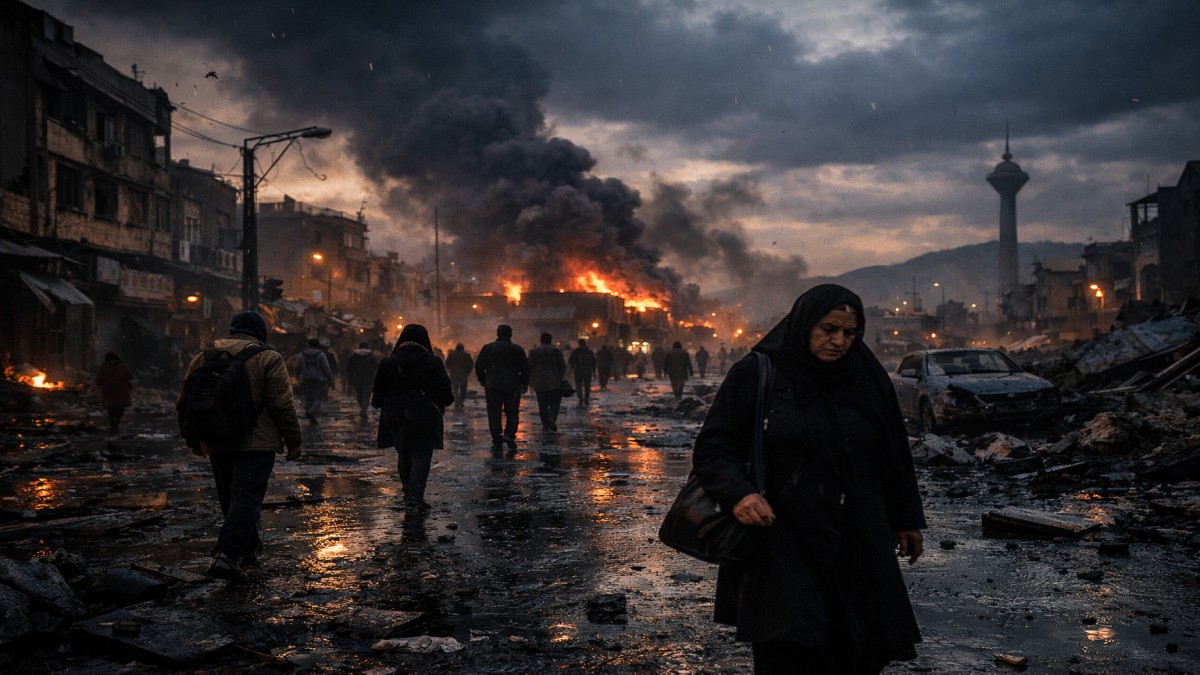
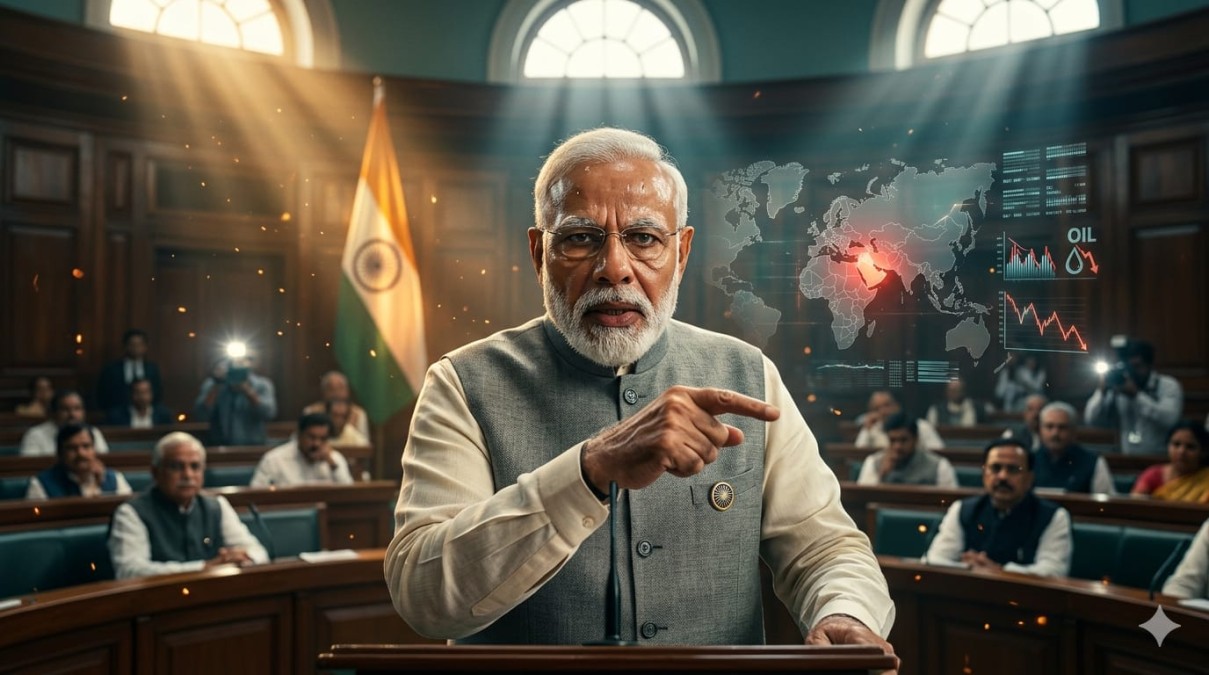
India is bracing for a potentially prolonged global crisis as Prime Minister Narendra Modi issued a strong warning in the Lok Sabha, urging citizens and institutions to prepare with the same unity and resilience shown during the COVID-19 pandemic. His remarks come amid escalating tensions in West Asia, where the ongoing Iran-US-Israel conflict is beginning to disrupt global energy supply chains and international trade routes.
Speaking during the Budget Session of Parliament, PM Modi emphasized that the consequences of the conflict are not short-term and may continue to impact economies, security frameworks, and everyday life for an extended period. His address marks one of the most serious alerts from the Indian leadership in recent times regarding global geopolitical instability.
📌 PM Modi Speech Highlights
- India urged to prepare like COVID-19 pandemic
- Iran-US-Israel war may have long-term global impact
- Strait of Hormuz disruption affecting oil supply
- Security tightened across borders, cyber & coastal areas
- Warning against misinformation, hoarding & black marketing
- India pushing for diplomacy and peaceful resolution
- Economic concerns rise amid global energy crisis
Table of Contents
🌍 A Global Crisis with Long-Term Impact
The Prime Minister made it clear that the war in West Asia is not a localized issue but a global crisis with far-reaching consequences. The conflict has already started affecting critical maritime routes, particularly the Strait of Hormuz, a strategic channel responsible for transporting nearly 20% of the world’s oil supply.
With disruptions in this region, energy prices are expected to rise, supply chains are under pressure, and global markets are witnessing volatility. India, being one of the largest importers of crude oil, is particularly vulnerable to such shocks.
🛡️ Modi’s Call: Stay Ready, Stay United
Drawing parallels with the COVID-19 pandemic, PM Modi urged citizens to remain calm but alert. He highlighted how India successfully navigated the pandemic through unity, discipline, and coordinated efforts, suggesting that a similar approach would be required to tackle the current crisis.
He stated that preparedness is not just the responsibility of the government but also of every citizen. From conserving resources to avoiding panic behavior, public cooperation will be crucial in the coming months.
🔎 Recommended for You
⚠️ Warning Against Misinformation and Hoarding
One of the key concerns highlighted by the Prime Minister was the potential rise of misinformation, hoarding, and black marketing. During crises, such activities can worsen the situation and create unnecessary panic among citizens.
He specifically called upon state governments and enforcement agencies to remain vigilant and take strict action against those attempting to exploit the situation. Lessons from the COVID era, where essential supplies were hoarded, have clearly influenced this proactive stance.
🔐 National Security on High Alert
PM Modi confirmed that India has significantly strengthened its national security framework in response to the ongoing conflict. This includes heightened vigilance across border security, coastal surveillance, cyber infrastructure, and strategic installations.
With the possibility of indirect threats, cyberattacks, or geopolitical spillovers, India is taking no chances. Security agencies have been instructed to maintain a high level of readiness to ensure the safety of citizens and critical infrastructure.
🚢 Strait of Hormuz Crisis: Why It Matters
The Strait of Hormuz has become a focal point of concern due to the conflict. Any disruption in this narrow passage can severely affect global oil supply, leading to price hikes and shortages.
For India, this could translate into higher fuel prices, inflationary pressure, and economic strain. Industries dependent on fuel and logistics may face increased costs, impacting overall economic stability.
| Factor | Impact on India |
|---|---|
| Oil Supply Disruption | Rising fuel prices & inflation |
| Global Trade Routes | Delayed imports & exports |
| Security Threats | High alert across borders & cyber space |
| Public Behavior | Risk of hoarding & misinformation |
🤝 India’s Diplomatic Approach: Peace First
Despite the rising tensions, PM Modi reaffirmed India’s commitment to diplomacy and peaceful resolution. He emphasized that dialogue remains the only sustainable solution and that India is actively engaging with leaders across the region to de-escalate the situation.
India has historically maintained balanced relations in the Middle East, and its diplomatic efforts aim to ensure stability while safeguarding national interests, including the safety of Indian citizens working in Gulf countries.
📉 Economic Concerns and Opposition Reactions
While the government is focusing on preparedness, opposition leaders have raised concerns about the economic impact of the crisis. Issues such as rising LPG prices, supply shortages, and declining market performance have been highlighted.
Critics argue that the government should have anticipated the crisis earlier and secured alternative energy sources. However, the government maintains that it is actively working on contingency plans to minimize disruption.
🧭 What This Means for Common Citizens
For the average Indian citizen, the immediate impact may not be drastic, but gradual changes are likely. These could include rising fuel costs, increased prices of goods, and tighter availability of certain commodities.
PM Modi’s message is clear: avoid panic, stay informed, and act responsibly. Citizens are advised not to fall for rumors and to rely only on verified information sources.
🔮 The Road Ahead
The situation in West Asia remains volatile, and its trajectory will determine the scale of global impact. India’s proactive stance—combining security preparedness, diplomatic engagement, and public awareness—aims to mitigate risks and ensure stability.
PM Modi’s address serves as both a warning and a reassurance: while challenges lie ahead, collective strength and preparedness can help the nation navigate uncertain times.
⚠️ Disclaimer
This article is based on publicly available information, official statements, and media reports at the time of publication. The situation related to the Iran-US conflict and global developments is evolving rapidly, and new updates may change the context or facts. Readers are advised to verify information from official government sources and trusted news platforms before making any decisions. The publisher is not responsible for any actions taken based on this content.