Iran War Crisis 2026
The ongoing Iran war crisis has entered a dangerous and deeply emotional phase. While global headlines focus on military strategies and diplomatic statements, the real story is unfolding on the streets of Tehran — where ordinary citizens are battling fear, isolation, and uncertainty.
From internet blackouts cutting families off from one another to the haunting phenomenon of “black rain” after oil depot strikes, the human cost of this conflict is becoming impossible to ignore. At the same time, mixed signals from Donald Trump and firm resistance from Iran are raising serious questions: is the world moving toward peace, or a deeper war?
Life Inside Tehran: Fear, Isolation and Internet Shutdowns
For millions of people in Tehran, daily life has become a struggle defined by silence — not just from explosions, but from the absence of communication.
One such voice is Zahra, a grandmother whose story reflects the emotional toll of the crisis. With internet services repeatedly shut down by authorities, she has been unable to stay in touch with her children.
She describes the experience as unbearable. The inability to hear loved ones’ voices has created a psychological strain that goes beyond physical danger. For many families, the internet is no longer a luxury — it is their only emotional lifeline.
Zahra’s Emotional Story
Zahra’s pain highlights a lesser-discussed aspect of war: isolation. While bombs and missiles destroy infrastructure, communication blackouts destroy emotional stability. Her words reflect a deep sense of helplessness and anger toward a system that, in her view, has compounded suffering rather than alleviated it.
Impact of Communication Blackout on Families
Across Tehran, similar stories are emerging. Families are separated not just by distance, but by silence. Parents cannot check on their children, and children cannot reach their aging parents. This breakdown of communication is intensifying fear and uncertainty, creating a humanitarian crisis within a conflict zone.
“Black Rain” After Strikes: Environmental and Human Impact
Beyond the emotional suffering, the physical environment of Tehran is also changing in alarming ways.
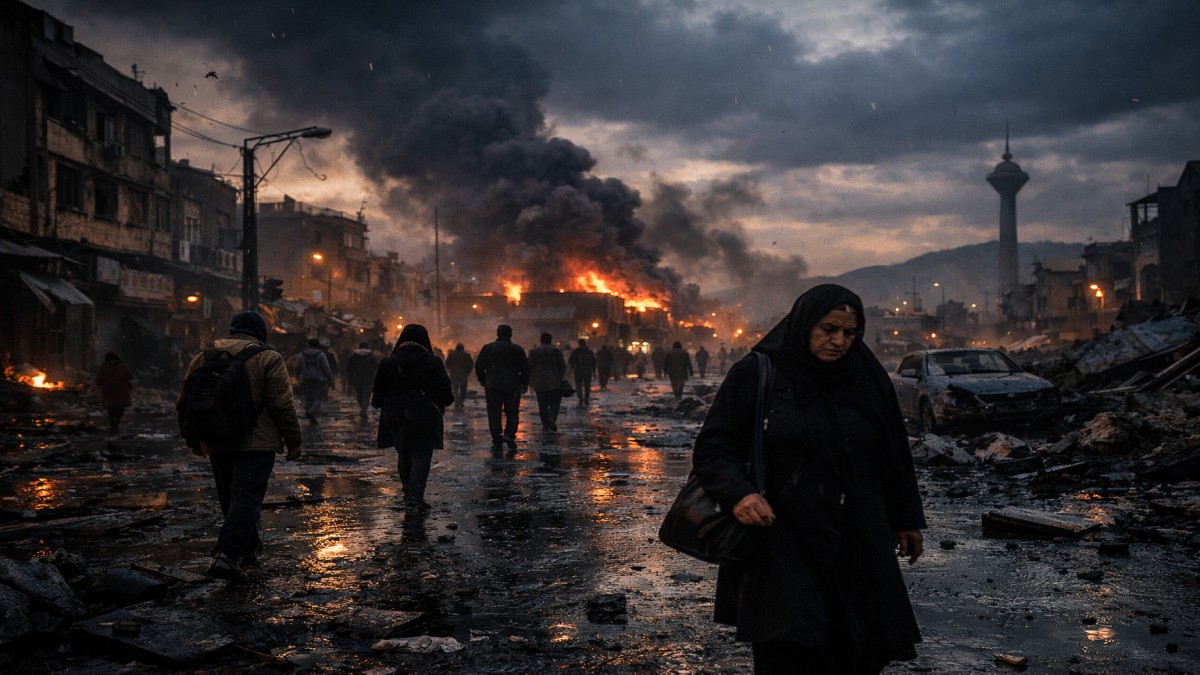
Following strikes on oil depots, residents have reported a disturbing phenomenon — “black rain.” This oily residue settles on streets, homes, and public spaces, serving as a constant reminder of the destruction.
Oil Depot Strikes Aftermath
The attacks on oil infrastructure have not only disrupted energy supplies but have also created environmental hazards. Thick smoke clouds rise into the sky, eventually mixing with moisture and falling back to the ground as toxic residue.
Civilian Suffering and Psychological Impact
For civilians, this is more than just pollution. It is a symbol of devastation. Walking through streets covered in black residue reinforces the reality of war at every step. The psychological impact is profound — a constant visual cue that their city is under siege.
Public Anger Against the Iranian Regime
As conditions worsen, public frustration inside Iran appears to be growing.
Growing Frustration Among Citizens
Many citizens are questioning the leadership and its policies. Years of economic hardship, political restrictions, and now war have pushed public patience to its limits.
Calls for Regime Change vs Ceasefire
Interestingly, not everyone is calling for peace — at least not in the traditional sense. Some, like Zahra, express skepticism toward a ceasefire, believing that temporary peace will not address deeper systemic issues.
This reflects a complex and divided public sentiment: while some want immediate relief from conflict, others see the current crisis as a potential turning point for long-term change.
Donald Trump’s Dual Strategy: War or Peace?
On the global stage, the United States’ approach under Donald Trump has added another layer of uncertainty.
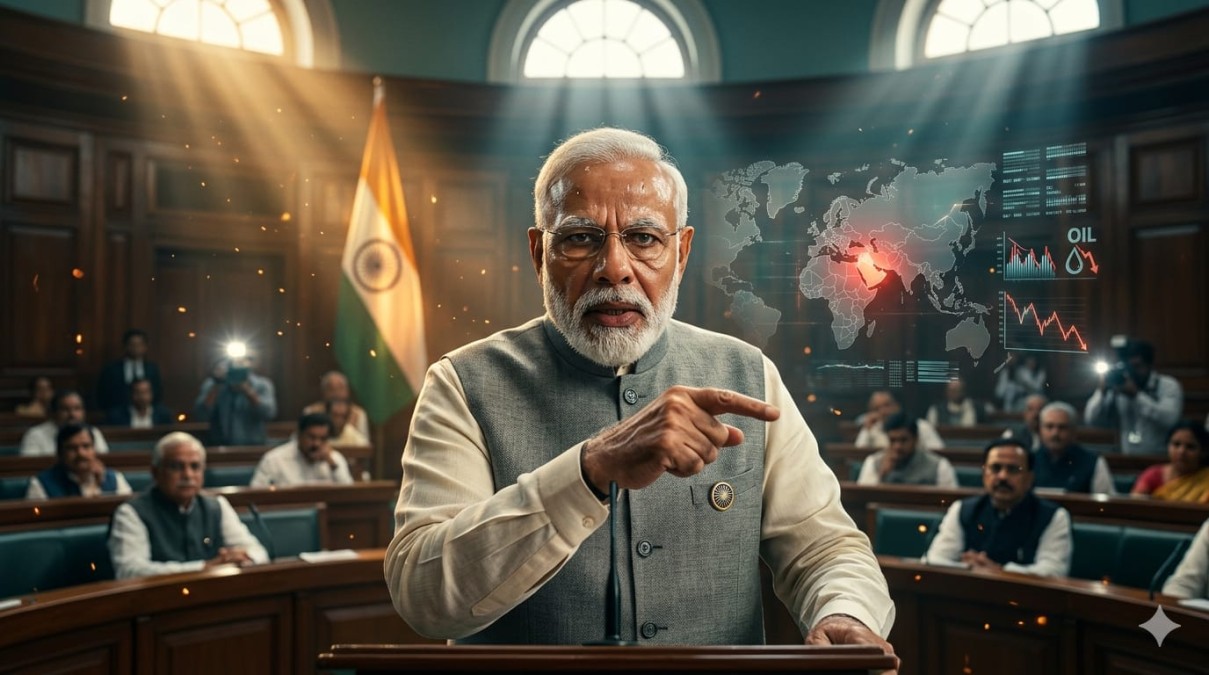
Trump has indicated interest in “winding down” the war, yet his administration’s actions suggest a dual-track strategy — combining military escalation with diplomatic outreach.
15-Point Peace Plan Explained
Reports indicate that US negotiators have presented a 15-point peace plan to Iran. While details remain unclear, the plan is said to include measures aimed at reducing tensions and establishing a framework for future negotiations.
Military Escalation vs Negotiation Confusion
However, the situation is complicated by simultaneous military actions. The deployment of troops and continued threats of intensified strikes create mixed signals. Is the US genuinely seeking peace, or using diplomacy as leverage?
Pentagon Troop Deployment to Iran
The decision to deploy ground troops marks a significant escalation.
Strategic Implications
This move signals a willingness to engage more directly in the conflict, potentially increasing pressure on Iran.
Risks of Escalation
At the same time, it raises the risk of a broader regional war. Increased military presence could trigger retaliation, drawing more countries into the conflict.
White House Warnings and Threats to Iran
The rhetoric from Washington has also intensified.
“Unleash Hell” Statement
White House officials have warned that failure to comply with US demands could result in severe consequences, using language that underscores the seriousness of the situation.
Diplomatic Pressure Tactics
Such statements are part of a broader strategy to pressure Iran into negotiations. However, they may also harden Iran’s stance, making diplomacy more difficult.
Iran’s Strong Rejection of Negotiations
Iran, for its part, has shown little interest in engaging under current conditions.
Statement by Abbas Araghchi
Iranian Foreign Minister Abbas Araghchi has made it clear that recent communications from the US do not constitute genuine negotiations. According to him, these messages are being conveyed indirectly and lack the substance required for meaningful dialogue.
Iran’s Stance on Defense and War
Iran maintains that it is focused on defending itself and has no immediate intention of entering negotiations. This reflects a broader strategy of resistance, rooted in both political ideology and past experiences.
Why Iran Distrusts the US: A History of Broken Talks
One of the key barriers to diplomacy is deep-seated mistrust.
Past Negotiations Followed by Strikes
Iranian officials point out that previous attempts at dialogue were followed by military actions from the US and its allies. From their perspective, negotiations have not prevented conflict — they have preceded it.
Deep-Rooted Geopolitical Mistrust
This history has created a situation where even genuine diplomatic efforts are viewed with suspicion. Trust, once broken, is difficult to rebuild — especially in a high-stakes geopolitical environment.
Is Diplomacy Still Possible or Is War Inevitable?
The central question remains: can this crisis be resolved through diplomacy, or is further conflict unavoidable?
Current Signals from Washington
The US continues to send mixed signals — offering peace plans while preparing for escalation. This ambiguity makes it difficult for Iran and other global players to interpret Washington’s true intentions.
Iran’s Defensive Posture
Iran’s current stance suggests a focus on resilience rather than compromise. By rejecting negotiations for now, it is signaling that any future talks will have to occur on its own terms.
A Crisis at a Crossroads
The Iran war crisis is no longer just a geopolitical issue — it is a human story of suffering, resilience, and uncertainty.
From Zahra’s silent struggle to the toxic “black rain” falling over Tehran, the impact of this conflict is deeply personal. At the same time, global leaders are navigating a پیچیده (complex) landscape of strategy and diplomacy.
Whether this moment leads to peace or further escalation will depend on decisions made in the coming days. For now, the people of Tehran continue to wait — caught between hope and fear in a crisis that shows no clear end.
Disclaimer
The information presented in this article is based on publicly available reports, media coverage, and statements from officials at the time of writing. While efforts have been made to ensure accuracy and reliability, the situation surrounding the Iran conflict is rapidly evolving, and details may change.
This content is intended for informational and journalistic purposes only. It does not promote, justify, or support any form of violence, war, or political agenda. The views and experiences described, including those of individuals such as civilians in Tehran, are personal accounts and may not represent the perspectives of all parties involved.
Readers are encouraged to verify information through multiple trusted sources and stay updated with official announcements for the latest developments.