

Hunter Hess Trump Controversy Shakes Winter Olympics as Athletes Rally in Support
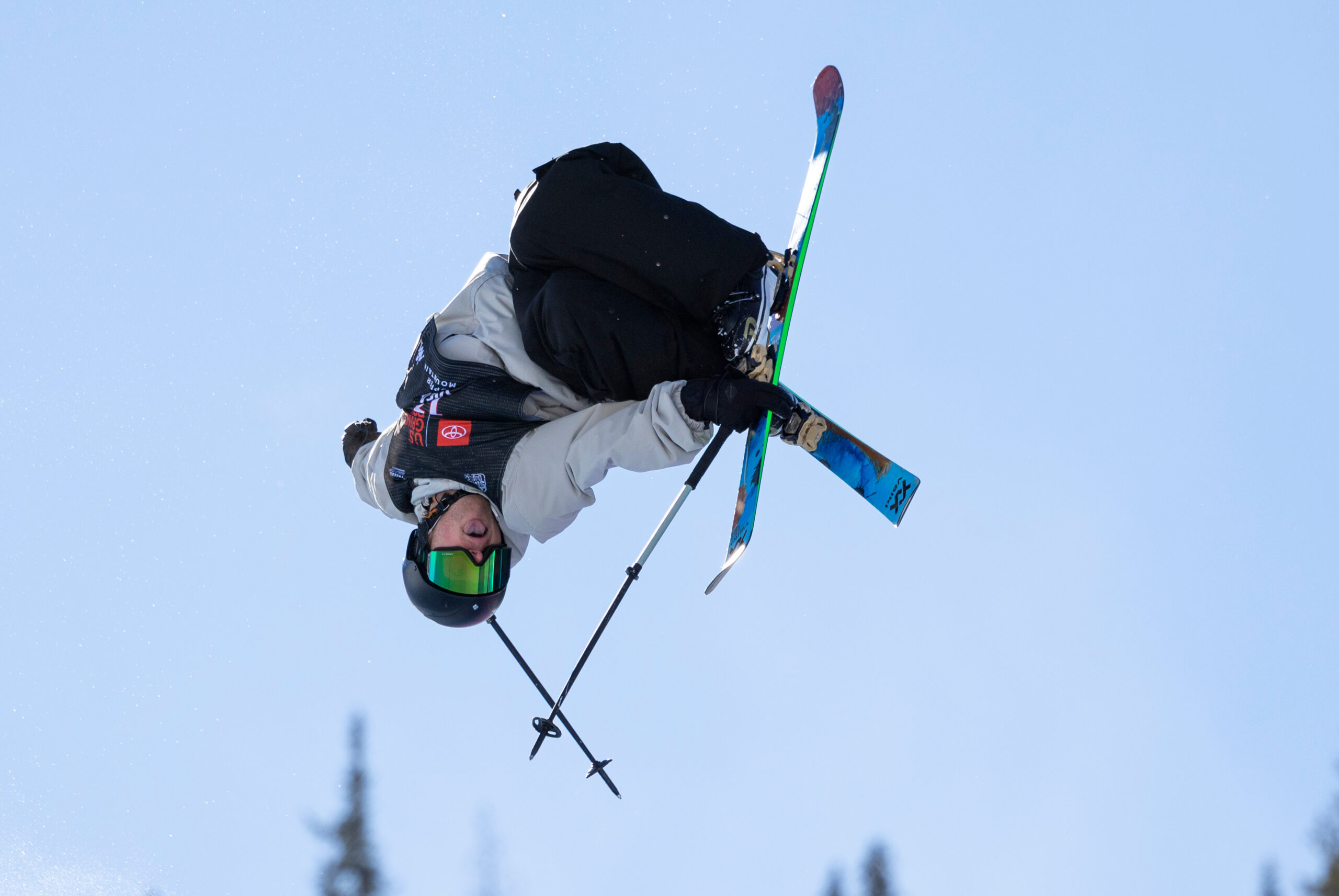
Milan, Italy — The Winter Olympics have never been simply a celebration of sporting achievement. Again and again they have crossed paths with politics identity, and social issues. At the Milan-Cortina Winter Olympics, this has come into stark relief following a public rebuke by US President Donald Trump of American freestyle skier Hunter Hess for expressing ambivalence about competing for the United States during a time of increased immigration enforcement in the country.
Trump’s comments have sparked a solidarity movement throughout the Olympic Village with reactions from some of the biggest names in the sport. Snowboarding phenom Chloe Kim and freestyle skiing sensation Eileen Gu have both expressed their unequivocal support for Hess emphasizing the importance of unity compassion and the freedom of athletes to speak their minds without fear of harassment or intimidation.
These comments have helped to fuel a larger conversation about freedom of expression, national identity, and the increasing politicization of athletes on the biggest sporting platform in the world.
Table of Contents
What Hunter Hess Said About Representing the U.S.
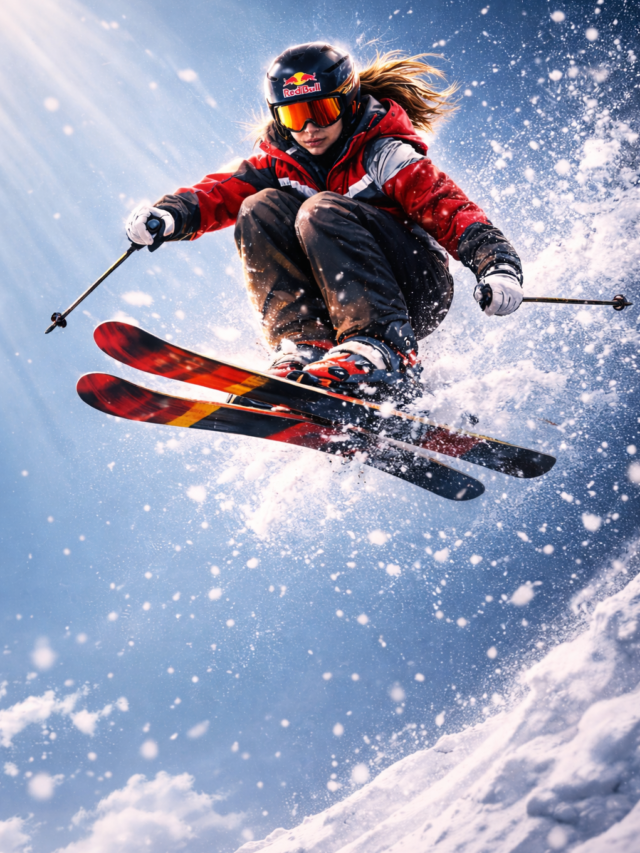
It all started when Hess a freestyle skier aged 27 who hails from Bend Oregon came under intense media scrutiny over the US government’s latest crackdown on its immigrants. This crackdown has also been cited as being responsible for violent confrontations in Minnesota a disruption in all immigrant communities. It has attracted a lot of criticism not only from citizenship groups but also from other protests worldwide.
“Hess spoke openly.”
“Just because I wear the flag, it does not necessarily mean I agree with everything that’s going on in the States,” he said. “A lot is going on that I’m not a big fan of.” Those comments blew up on social media, thrusting the sportsperson into the middle of a rapidly escalating political situation.
Why Donald Trump Criticized Hunter Hess
The comments immediately attracted the keen eyes of conservative leaders, including American President Trump. In his account on Truth Social, he wished to express his criticism of Hess, calling him “a real Loser,” questioning whether he had worked hard enough to represent his nation.
“If that’s the case, he shouldn’t have even tried out for the Team,” Trump wrote. “It’s a shame he’s on it. Hard to root for someone like this.”
That post ignited a new debate and generated wide media attention in Milan, shifting the media attention from the contest itself to the controversy which surrounded it.
Chloe Kim Speaks on Immigration and Unity
Asked about Trump’s comments on Monday, Chloe Kim responded from the heart. “My parents are immigrants, so this hits home for me,” said the two-time Olympic gold medalist, whose mother and father are immigrants from South Korea. “In times like these, it’s crucial that we come together as one and look out for one another.”
“Kim has faced the worst form of racist behavior over the years due to her Asian ethnicity. However, she clarified that the pride of representing her home country does not have to clash with using her voice. “The U.S. has given me and my family many amazing things, but we too deserve to air our opinions. We should lead with love and empathy.”
Her comments clearly resonated with the athletes competing in the Games, who are facing online abuse and political pressure.
Eileen Gu Calls It an “Unwinnable Press War”
Eileen Gu, of San Francisco, who is representing China in freestyle skiing, said she felt bad for Hess after taking a silver medal in slopestyle. She says she’d been in touch with him and knew the glare he’s under.
“Having been caught in the crossfire myself, I feel for the athletes,” Gu said. “This press battle is unwinnable.”
Gu, who has faced sharp criticism since her switch to represent China, brings a pointed perspective to the discussion. She mentioned Hess told her she was among the few who could truly grasp his predicament.
She also contended that the din has managed to eclipse what the Olympics are intended to represent.
“It goes against everything the Olympics should embody,” she said.
Other Team USA Athletes Defend Free Expression
Various other US athletes shared similar sentiments when asked to reflect on Trump’s comments and the political tension at home. Snowboarder Bea Kim acknowledged the divisions in the country while highlighting the necessity of inclusivity. “We’re obviously very divided,” she said. “I’m proud to represent the United States, but diversity is what makes our country strong.” Fellow teammate Maddie Mastro did the same about the emotional burden of it all. “It’s really tough, and we can’t turn a blind eye,” Mastro said. “At the same time, I carry with me values of kindness and compassion.”
Rising Online Abuse Against Olympic Athletes
It really points to an increase in online harassment against Olympic athletes. The U.S. Olympic and Paralympic Committee said there were more abusive messages during the Games. They forward credible threats to law enforcement and push to have harmful content removed. Recently, figure skater Amber Glenn said she received a “scary amount” of threats after speaking out for LGBTQ rights-a reality many athletes face when using their voices over social issues.
Politics and Protest in Olympic History
Political expression in Olympic sport is simply not a new phenomenon. J. Simon Rofe, an associate professor who specializes in sports diplomacy at the University of Leeds, cites instances like the famous protest by the two American sprinters, Tommie Smith and John Carlos, in the year 1968. However, the factor that is noticeable here is the increased role played by the athletes. Social media helps provide them space that would have been absent in the past. The world of sport manages to prompt dialogue that would have normally not been there.
The Olympic Ideal Under Pressure
As demonstrations against U.S. immigration policies continue in parts of Italy, and as political leaders weigh in from afar, many athletes say they hope the Games can still serve as a unifying force.
“The Olympics represent peace,” said American skier Alex Ferreira. “So let’s not only bring world peace but domestic peace within our country.”
For Hess and those standing beside him, the message is clear: loving one’s country does not mean blind agreement with its leadership, and speaking out does not diminish national pride.
As the Milan–Cortina Winter Olympics continue, the athletes’ performances on snow and ice will remain the main attraction. But their voices — shaped by identity, conscience, and lived experience — are ensuring that the Games also reflect the complex realities of the world beyond the podium.
Can the Olympics Still Unite a Divided World?
As protests over the United States’ immigration policy spread throughout parts of Italy and political rhetoric is heard from afar, athletes seem to cling to the hope that the games themselves will provide a connection for the world. “The Olympics symbolize peace,” skier Alex Ferreira, an American, said. “Let’s strive for world peace, but also for a sense of peace in our own country too.” For Hunter Hess and teammates assembled with him, the lesson is simple: while loving your country doesn’t mean you have to keep quiet, speaking up doesn’t take away from patriotism. As the Milan-Cortina games continue with snow and ice acts taking center stage in the arena, the voice of the athletes continues to shape the games to represent the realities that take place beyond the stage.
Disclaimer: This article is for informational purposes only. Views expressed by quoted individuals are their own and do not reflect the views of this publication.


 By
By
 By
By