




Lionel Messi Biography
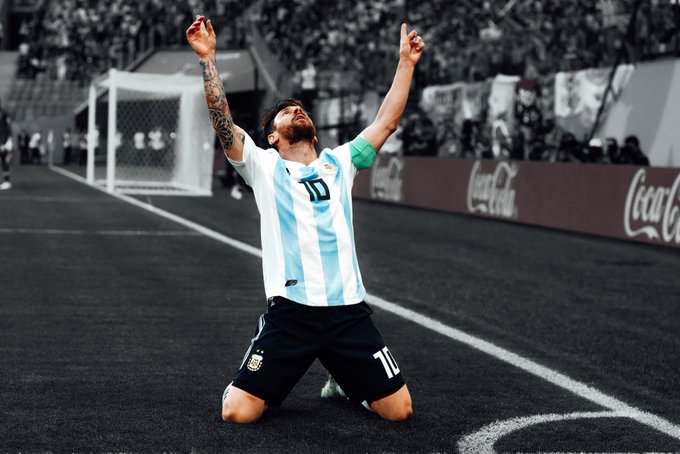
Image Credit: Lionel Messi | Team Messi
Lionel Andrés Messi is not just a footballer; he is a once-in-a-generation phenomenon whose story blends natural genius, relentless perseverance, and quiet humility. From the narrow streets of Rosario to the grandest stadiums in world football, Messi’s journey reflects how extraordinary talent, when matched with discipline and resilience, can redefine an entire sport
Credits: Lionel Messi Biography| Source: Team Messi
Early Life in Rosario: Roots of a Prodigy
Lionel Messi was born on June 24, 1987, in Rosario, a football-mad city in Argentina’s Santa Fe province. He grew up in a modest, close-knit working-class family. His father, Jorge Messi, worked in a steel factory and later as a football coach at youth level, while his mother, Celia Cuccittini, supported the household through part-time cleaning jobs. Messi was raised alongside two older brothers, Rodrigo and Matías, and a younger sister, María Sol.
Football was woven into Messi’s daily life almost from birth. Rosario is a city where football is not merely played—it is lived. From the moment Messi could walk, a ball was rarely far from his feet. Family members often recall that even as a toddler, he showed an unusual attachment to the ball, dribbling instinctively through crowded rooms.
At the age of five, Messi joined Grandoli, a small local club coached by his father. Despite being significantly smaller than other children, Messi’s coordination, balance, and ball control were already remarkable. He didn’t rely on strength or speed—his game was built on intelligence and intuition.
By eight, Messi had earned a place at Newell’s Old Boys, one of Argentina’s most respected youth academies. There, he scored goals at an astonishing rate and became the star of the famed “Machine of ’87” youth team. Coaches and spectators alike sensed they were watching something special.
The Defining Obstacle: Growth Hormone Deficiency
ust as Messi’s footballing promise became clear, a serious medical challenge threatened to derail his future. At 11 years old, he was diagnosed with a growth hormone deficiency, a condition that prevented normal physical development. Without treatment, Messi would likely remain unusually small and frail—an enormous disadvantage in professional football.
The required medical treatment was expensive, costing thousands of dollars annually. For the Messi family, this was an unbearable financial burden. Argentine clubs admired Messi’s talent but hesitated to invest in his medical care.
At this critical moment, fate intervened.
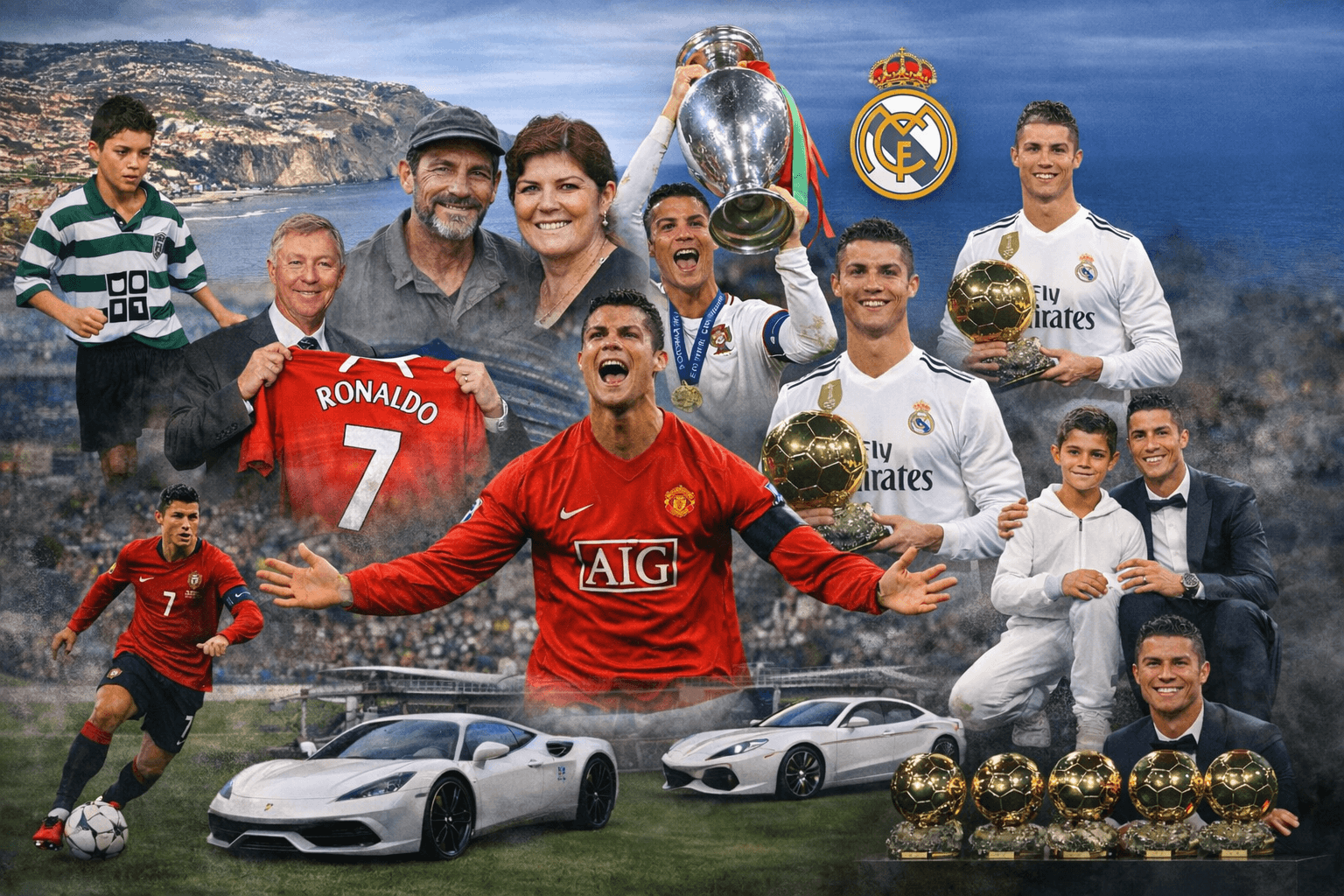
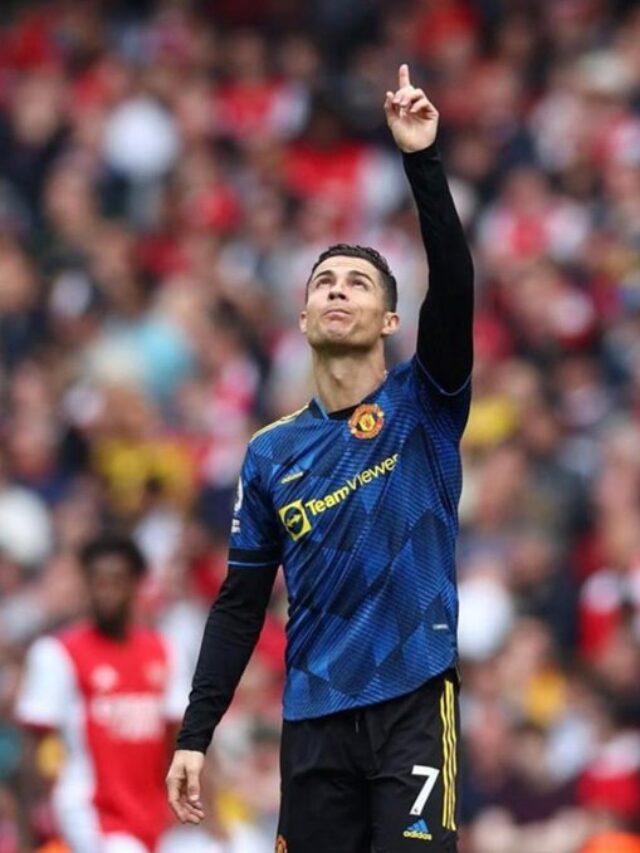
Cristiano Ronaldo – A Biography of Relentless Greatness
In 2000, Messi was offered a trial with FC Barcelona. Club officials were immediately captivated by the boy’s close control, vision, and footballing intelligence. Legend has it that Barcelona’s sporting director agreed to sign Messi on a napkin—symbolizing how urgently they wanted him.
Barcelona committed to paying for Messi’s medical treatment. At just 13 years old, Messi and his family relocated to Spain, leaving behind their home, relatives, and familiar culture. The move was emotionally challenging. Messi struggled with homesickness, language barriers, and the pressure of adapting to a new country.
Yet on the pitch, he flourished.
La Masia: Forging a Football Genius
Messi joined Barcelona’s famed youth academy, La Masia, where his natural gifts were refined through tactical education and technical discipline. Despite his small stature, Messi quickly outperformed players older and physically stronger than him.
His dribbling was hypnotic, his passing vision uncanny, and his finishing precise beyond his years. Coaches soon realized that Messi did not simply play football—he understood it instinctively.
By 16, Messi was training with Barcelona’s senior squad. At 17, he made his official first-team debut in the 2004–05 season, becoming the youngest player and goalscorer in La Liga at that time.
Barcelona Era (2004–2021): Seventeen Years of Greatness
Messi’s rise at Barcelona coincided with one of the club’s most successful eras. Over 17 seasons, he evolved from a promising teenager into the heartbeat of the team.
Records and Dominance
During his Barcelona career, Messi:
- Scored 672 goals in official matches
- Became the club’s all-time top scorer
- Won 10 La Liga titles
- Lifted 4 UEFA Champions League trophies
- Claimed numerous Copa del Rey and Super Cup titles
Messi was central to Barcelona’s legendary tiki-taka style of play—quick passing, positional awareness, and relentless movement. Under managers like Pep Guardiola, Messi reached levels of consistency rarely seen in sport.
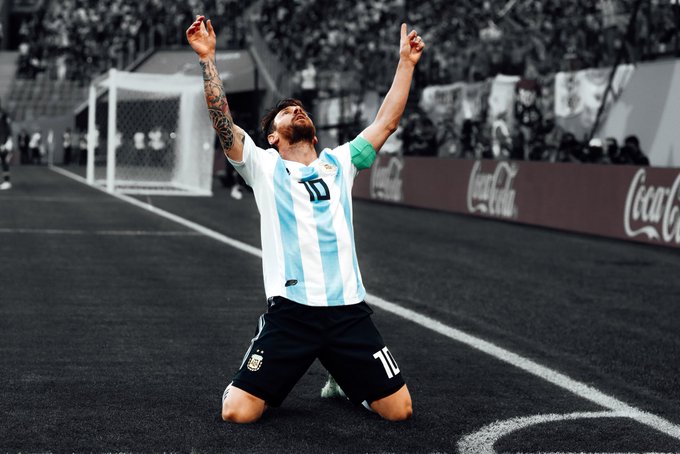
Credits: Lionel Messi Biography| Source: Team Messi
The Golden Years and Ballon d’Or Supremacy
Between 2009 and 2012, Messi produced arguably the most dominant individual run in football history. His achievements included:
- 91 goals in a single calendar year (2012)—a world record
- Four consecutive Ballon d’Or awards
- Multiple European Golden Shoes
Ultimately, Messi would win a record eight Ballon d’Or titles, cementing his place at the pinnacle of the sport.
What made Messi unique was not just his numbers—but how effortlessly he achieved them. He played without arrogance, celebrated without theatrics, and led by example rather than volume.
A Painful Goodbye: Leaving Barcelona
Despite Messi’s loyalty to Barcelona, the club’s financial crisis in 2021 made contract renewal impossible under La Liga regulations. After nearly two decades, Messi was forced to leave the club that had shaped his identity.
His farewell press conference was emotional. Messi left as a legend—not only statistically, but spiritually.
Paris Saint-Germain (2021–2023): A New Chapter
Messi joined Paris Saint-Germain, forming a star-studded lineup alongside Neymar and Kylian Mbappé. While his role was different from Barcelona, Messi still delivered elite performances.
During two seasons in France, he:
- Won two Ligue 1 titles
- Added domestic trophies to his collection
- Continued performing at world-class level
Though successful, it was clear Messi sought something deeper than silverware.
International Career: From Heartbreak to Immortality
Messi debuted for Argentina in 2005 and later became captain in 2011. For years, international glory eluded him. Argentina lost multiple finals—World Cup 2014, Copa América 2007, 2015, and 2016—leading critics to unfairly question Messi’s legacy.
But Messi never walked away.
Redemption and Glory
- Copa América 2021 – Messi led Argentina to their first major title in 28 years
- Finalissima 2022 – Victory over European champions Italy
- FIFA World Cup 2022 – Messi captained Argentina to ultimate glory, scoring crucial goals and winning the Golden Ball
That World Cup triumph transformed Messi’s story from legendary to eternal.
Inter Miami CF (2023–Present): Redefining American Football
In 2023, Messi signed with Inter Miami CF, bringing unprecedented attention to Major League Soccer. His impact was immediate.
Messi:
- Led Inter Miami to their first-ever trophy
- Elevated MLS’s global profile
- Continued setting records well into his late 30s
His move to Miami wasn’t about slowing down—it was about spreading football’s beauty to new audiences.
Playing Style: Art in Motion
Messi’s playing style defies simple description:
- Unmatched close control
- Elite vision and creativity
- Deadly finishing with his left foot
- Playmaking ability rivaling the best midfielders
He doesn’t overpower defenders—he outthinks them
Personal Life and Character
Messi married Antonela Roccuzzo, his childhood sweetheart from Rosario. Together, they have three sons. Despite global fame, Messi values privacy, family, and simplicity.
Through the Leo Messi Foundation, he supports healthcare, education, and sports programs for children worldwide.
Legacy: More Than Numbers
With 46+ major trophies, over 860 career goals, and influence spanning generations, Messi is widely regarded as the greatest footballer of all time.
But beyond records, Messi’s true legacy lies in inspiration:
- Proving size doesn’t limit greatness
- Demonstrating loyalty, humility, and perseverance
- Redefining how football can be played
Conclusion: A Story Still Being Written
Lionel Messi’s journey—from a small boy battling a medical condition to a global icon—represents the purest form of sporting excellence. Even today, he continues to inspire millions, reminding the world that greatness is not only about winning, but about how you win.
© Image Credit: Lionel Messi | Source: Team Messi

 By
By
 By
By