



Super Eights Opener Set for High-Voltage Clash at R. Premadasa Stadium
The rain arrived before the teams did.
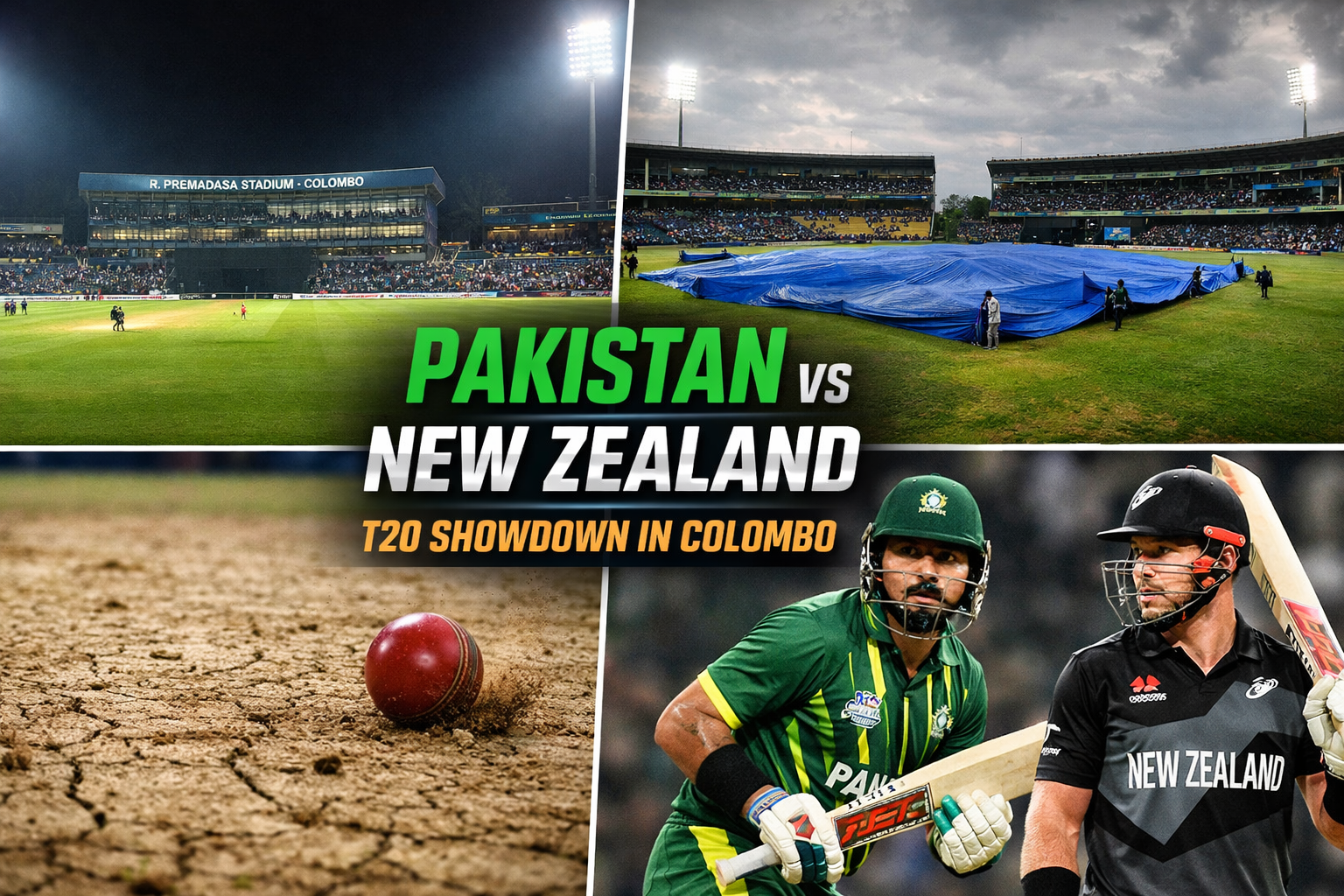
At the R. Premadasa Stadium in Colombo, more than a dozen ground staff pulled giant blue covers across the square, sealing the surface beneath a waterproof shield. It was a reminder that in Sri Lanka, weather can shape narratives before the toss ever does. But with no match underway and over 24 hours to go before the next contest, patience – not panic – ruled the evening.
Now, the ICC Men’s T20 World Cup enters its defining phase: the Super Eights. After a whirlwind group stage featuring 20 teams and relentless double-headers, the tournament narrows. The margins tighten. The spotlight sharpens.
And fittingly, it is Pakistan vs New Zealand that will open this new chapter.
Match Details
- Match: Pakistan vs New Zealand, Super Eights
- Date: Saturday, 21 February 2026
- Time: 7:00 PM local
- Venue: R. Premadasa Stadium, Colombo
Rain is forecast for later in the day, though Colombo’s island weather can shift quickly. Expect humidity, possible interruptions, and a surface that could slow further if moisture lingers.
A Rivalry Built on Razor-Thin Margins
This will be the 50th T20I meeting between Pakistan and New Zealand. Of the previous 49 encounters:
- Pakistan wins: 24
- New Zealand wins: 23
- No results: 2
The numbers tell the story — evenly matched, fiercely competitive, rarely predictable.
In T20 World Cups, Pakistan hold a 5-2 advantage, including semifinal triumphs in 2009 and 2022. Yet history offers comfort, not guarantees. The Super Eights demand present-tense execution.
Both teams enter this phase with three wins each, but neither feels entirely fulfilled. Pakistan fell to India in a high-profile group clash, while New Zealand stumbled against South Africa before record crowds in Ahmedabad.
If a rematch is desired, the path runs through Colombo.
Colombo Conditions: Slow, Low, and Spin-Heavy
The centre strip is expected to be the same one where Zimbabwe chased down 179 earlier in the tournament, though further wear could make batting more nuanced.
Historically, the R. Premadasa surface rewards:
- Patience over power
- Spin control over blind aggression
- Strike rotation as much as boundary-hitting
Interestingly, results this tournament have defied older patterns. Four of five matches here have been won by teams batting first. Yet the eight games prior to this competition were all won by chasing sides, often comfortably.
Toss strategy may hinge on moisture levels and cloud cover.
Pakistan’s Spin-Centric Blueprint
Pakistan appear committed to a spin-dominant identity.
With options like Shadab Khan, Mohammad Nawaz, and the uniquely actioned Usman Tariq — who pauses at the crease — Pakistan aim to control the middle overs and squeeze scoring rates.
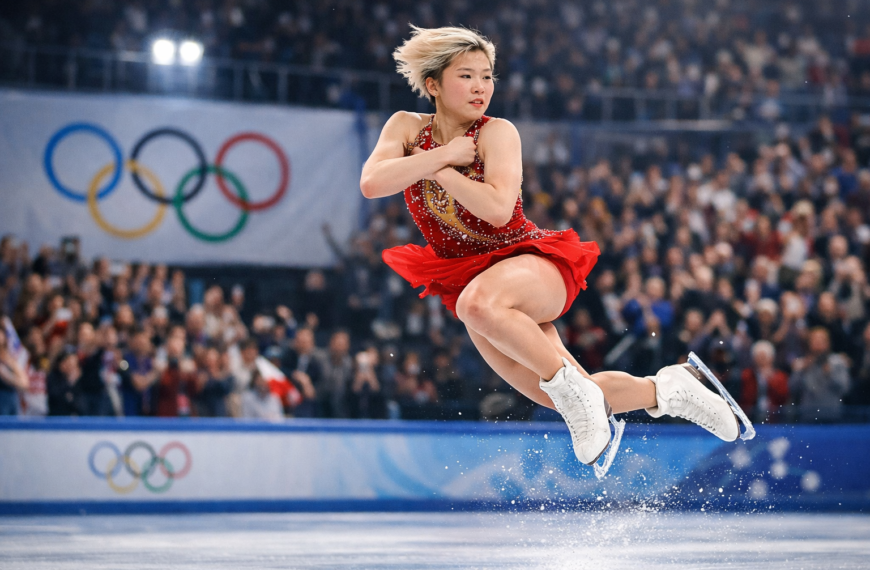
Image Credit: AI-generated image created for editorial use via OpenAI tools. This image is for illustrative purposes only and does not depict an actual live match moment.
The Babar Azam Recalibration
One of the most discussed decisions has been the repositioning of Babar Azam.
Coach Mike Hesson acknowledged that Babar’s strike rate in T20 World Cup powerplays sits below 100. The management now sees him as a stabiliser rather than an aggressor — best deployed if early wickets fall.
It’s a bold recalibration. Babar’s role may not begin the innings, but it could still define them.
Leadership Under Salman Agha
Captain Salman Agha has embraced responsibility, though his numbers this tournament show measured rather than explosive scoring:
- Strike rate 106.08 vs pace (powerplay)
- Strike rate 110.74 vs spin (overs 7-15)
On a surface demanding composure, that approach might prove valuable — provided someone accelerates around him.
Probable Pakistan XI
Sahibzada Farhan
Saim Ayub
Salman Agha (c)
Babar Azam
Usman Khan (wk)
Khawaja Nafay
Shadab Khan
Mohammad Nawaz
Faheem Ashraf
Salman Mirza
Usman Tariq
New Zealand’s Counterpunch
New Zealand may quietly hold the ideal template for these conditions.
They have been among the most effective sides against spin in this T20 World Cup cycle — second only to India in strike rate and leaders in minimising dot balls.
Santner’s Return
Captain Mitchell Santner is set to return after illness. His control with the ball and calm tactical mind are pivotal on surfaces like Colombo’s.
Powerplay Firepower
New Zealand, alongside South Africa, boast the best run rate (10.33) in overs 1-6 in this tournament. Finn Allen and Tim Seifert have often set the tone early, allowing the middle order to absorb spin without scoreboard pressure.
Leg-spinner Ish Sodhi could feature to exploit the slow conditions.
Probable New Zealand XI
Finn Allen
Tim Seifert (wk)
Rachin Ravindra
Glenn Phillips
Mark Chapman
Daryl Mitchell
Mitchell Santner (c)
James Neesham
Matt Henry
Jacob Duffy
Ish Sodhi
Key Battles to Watch
1. Pakistan’s Spinners vs Glenn Phillips
If Phillips settles, middle-over control evaporates.
2. Babar Azam vs Santner
If Pakistan stumble early, Babar may enter against Santner’s left-arm spin — a tactical chess match.
3. Powerplay Momentum
New Zealand’s explosive starts against Pakistan’s disciplined attack may determine scoreboard pressure.
Tactical Themes That Could Decide the Match
✔ Strike Rotation on Slow Surfaces
✔ Batting First vs Chasing
✔ Middle-Over Risk Management
✔ Managing Rain Interruptions
Why This Super Eights Opener Matters
A win builds semifinal momentum.
A loss compresses qualification margins immediately.
Net run rate could become decisive.
The Super Eights phase rewards clean campaigns. There is little room for recovery.
For Pakistan, it’s about validating a spin-centric identity.
For New Zealand, it’s about proving adaptability across conditions.
Final Word
The covers have come off. The Super Eights begin.
Under Colombo’s lights at the R. Premadasa Stadium, familiarity meets fresh stakes. Pakistan and New Zealand know each other intimately — strengths, weaknesses, rhythms. But tournaments evolve, surfaces change, and pressure reshapes intent.
This isn’t just match number 50 in a rivalry.
It’s the first step toward a semifinal — and possibly, redemption.

 By
By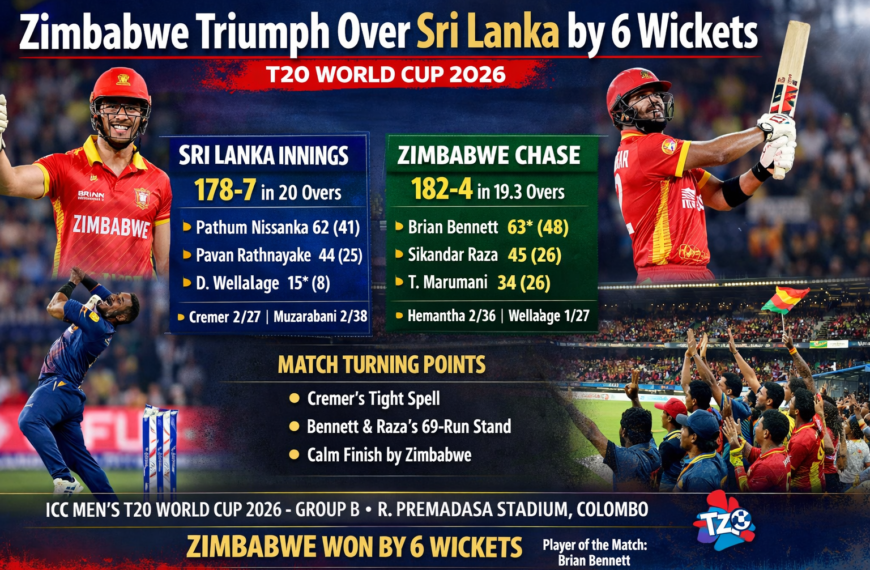


 By
By