FIFA World Cup 2026 Extra Time Rules Explained: Full Guide
The upcoming FIFA World Cup 2026 will be the largest edition of the tournament to date, featuring 48 teams and a revised format. While football allows draws in regular play, knockout matches require a winner. This is where extra time becomes crucial.
This article explains how extra time works in the 2026 FIFA World Cup, when it is used, and what happens if a winner is still not decided.
What Is Extra Time in Football?
Extra time is an additional period played when a knockout match is tied after the standard 90 minutes of regulation time.
A typical football match consists of two halves of 45 minutes each. If both teams are level at the end of these 90 minutes in a knockout game, extra time is played to determine a winner.
Structure of Extra Time:
- Total duration: 30 minutes
- Divided into two halves of 15 minutes each
- Includes a short break between halves
Unlike regular play, extra time is often more intense due to player fatigue and the high stakes involved.
When Is Extra Time Used in the World Cup?
Extra time is only used during the knockout phase of the tournament.
Tournament Breakdown:
- Group Stage: Matches can end in a draw
- Knockout Stage: A winner must be decided
With the expansion of the FIFA World Cup 2026 from 32 to 48 teams, the knockout rounds now begin from the Round of 32 instead of the Round of 16. This change increases the likelihood of matches going into extra time.
Is There Sudden Death in Extra Time?
No, there is no sudden death rule in modern football extra time. Even if a team scores during extra time, the game continues until the full 30 minutes are completed.
What Was the Golden Goal Rule?
The Golden Goal was a short-lived rule where a match would end immediately if a team scored during extra time.
It was implemented in:
- 1998 FIFA World Cup
- 2002 FIFA World Cup
One notable example is when Laurent Blanc scored a golden goal for France in 1998.
The rule was eventually removed due to its controversial nature and its impact on gameplay, as teams became more defensive.
What Happens After Extra Time?
If the match remains tied after the full 30 minutes of extra time, the winner is decided through a penalty shootout.
Penalty Shootout Rules:
- Each team takes five penalty kicks
- Teams alternate their attempts
- The team with the most goals after five rounds wins
If both teams are still tied:
- The shootout enters sudden death
- Teams continue taking penalties until one team scores and the other misses
Penalty shootouts are among the most dramatic moments in football due to the pressure and unpredictability involved.
Famous World Cup Matches Decided by Extra Time and Penalties
Many World Cup finals have required extra time, and some have even been decided by penalties.
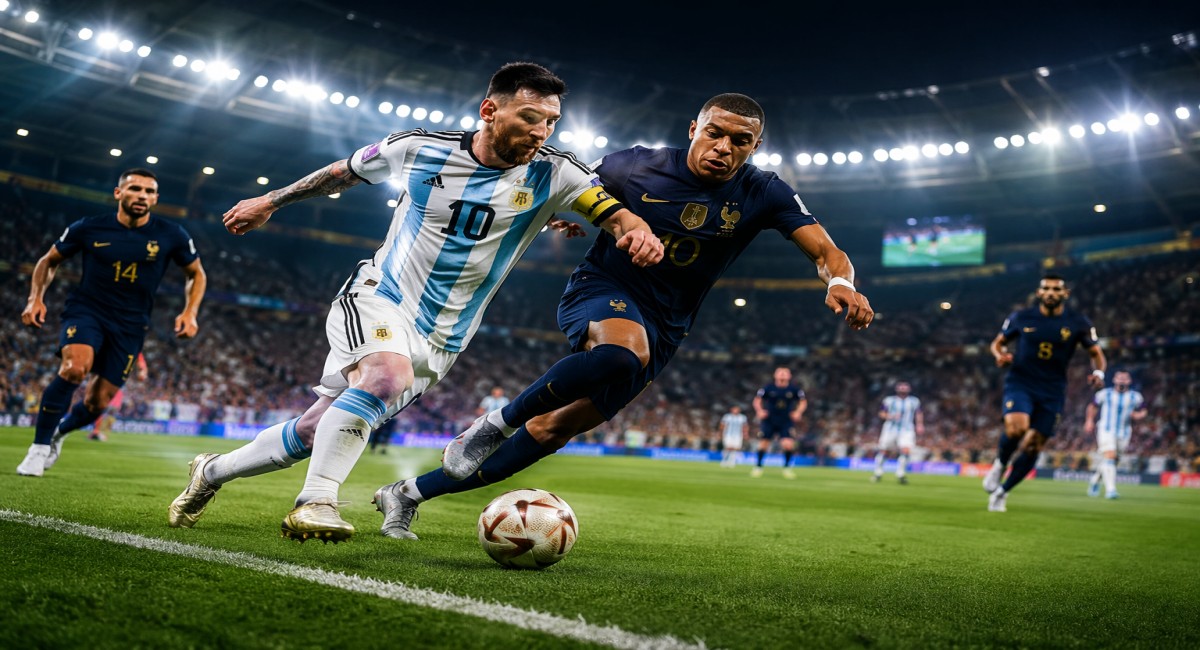
A recent example is the 2022 FIFA World Cup final:
- Lionel Messi led Argentina national football team
- Kylian Mbappé starred for France national football team
The match ended in a draw after extra time and was ultimately decided by a penalty shootout, with Argentina emerging as champions. It is widely regarded as one of the greatest finals in football history.
Why Extra Time Is Important
Extra time plays a vital role in determining winners in knockout matches. It tests a team’s physical endurance, mental strength, and tactical discipline.
It is often during extra time that:
- Matches become unpredictable
- Individual brilliance stands out
- Defining tournament moments occur
The FIFA World Cup 2026 will bring more matches, more competition, and more high-pressure situations. With the expanded format, extra time is expected to play a significant role in shaping the tournament’s outcome.
Understanding how extra time works helps fans better appreciate the drama and intensity of knockout football. Whether it ends in extra time or penalties, these moments often define the legacy of players and teams on the world stage.
Image Credit: Generated using AI (DALL·E / ChatGPT Image Generator)