Title: Oil Prices Surge as Middle East Tensions Escalate and Supply Routes Disrupt
Global oil markets witnessed a sharp surge as geopolitical tensions intensified following fresh remarks by Donald Trump regarding the ongoing conflict with Iran. Brent crude prices jumped nearly 7%, reaching $107.60 per barrel, while West Texas Intermediate (WTI) climbed to around $106.50. The sudden spike reflects growing concerns over prolonged instability in the Middle East and its impact on global energy supplies.
In a televised address from the White House, Trump reiterated his aggressive stance, warning that the United States would hit Iran “extremely hard” in the coming weeks. However, the speech failed to provide a clear roadmap for ending the conflict, disappointing investors who had hoped for signs of de-escalation. Instead, the lack of a defined timeline has heightened uncertainty across global markets.
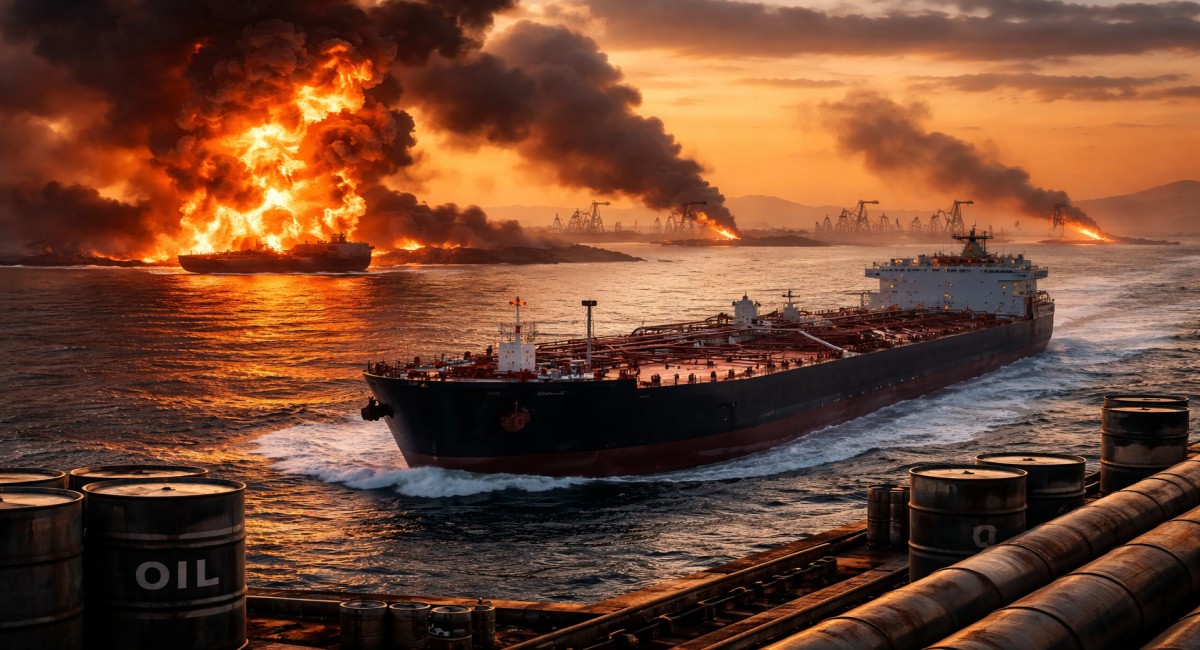
One of the most critical factors driving oil prices upward is the disruption in shipments through the Strait of Hormuz. This narrow waterway is one of the world’s most vital oil transit routes, responsible for a significant portion of global oil supply. Following threats from Iran to target tankers in retaliation for US-Israeli strikes that began on February 28, shipping activity in the region has largely come to a halt.
The closure—or near closure—of this strategic passage has triggered fears of a prolonged supply crunch. Analysts believe that the market is now adjusting to the possibility that disruptions could last months rather than weeks. Energy expert Alberto Bellorin described the price jump as a “reality check,” noting that earlier optimism about a quick ceasefire has faded significantly.
Trump’s remarks further intensified concerns by suggesting that the United States does not depend on Middle Eastern oil and urging other nations to intervene and secure the waterway. This statement has been interpreted by analysts as a signal that the US may not prioritize immediate stabilization of global supply routes, thereby prolonging market volatility.
The ripple effects were quickly felt in global financial markets, particularly across Asia. Major indices saw sharp declines, reflecting investor anxiety. Japan’s Nikkei 225 dropped 2.4%, South Korea’s Kospi fell by 4.5%, and Hong Kong’s Hang Seng index slipped 1.3%. Asian economies are especially vulnerable due to their heavy reliance on Middle Eastern energy imports.
Experts like Tina Soliman-Hunter from Macquarie University suggest that investors are now pricing in a longer conflict, which could keep oil supplies tight and prices elevated. The absence of a clear diplomatic or military exit strategy has only deepened these concerns.
Overall, the situation underscores the fragile balance of global energy markets and their sensitivity to geopolitical developments. With tensions showing no immediate signs of easing, both oil prices and global markets are likely to remain volatile in the near future.
Disclaimer:
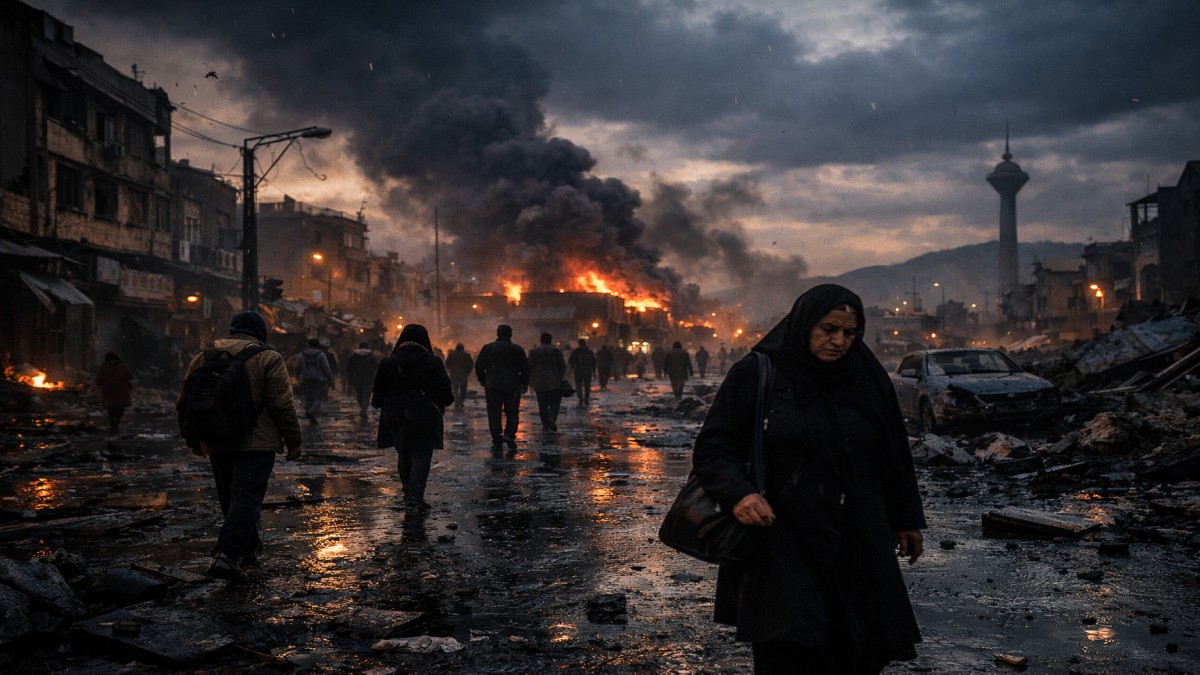
This content is created for informational and educational purposes only. The article and accompanying image are based on publicly available data, interpretations, and creative representation. The image is digitally generated and does not depict real events or actual scenes.
We do not intend to harm, mislead, or defame any individual, country, organization, or entity mentioned. Readers are advised to verify information from official sources before making any decisions.